
Introducing Julie Smircic, LCSW, now at Two Rivers!
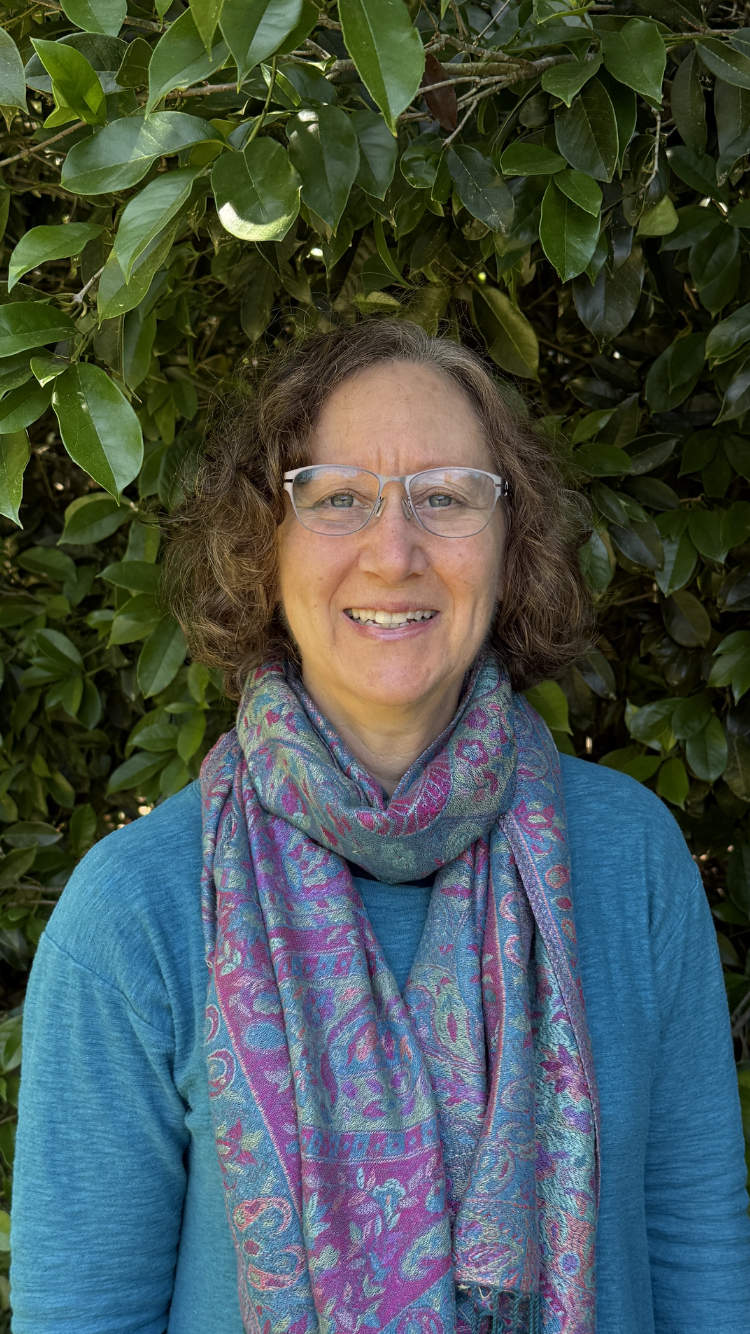
My name is Julie Smircic. I'm a licensed clinical social worker, which means I have a master’s degree in social work and many years of additional training to provide counseling and therapy services. I've been in practice since 2001.
I have a natural inclination for counseling and a lot of curiosity about what makes people ‘tick,’ as they say. I love to teach as part of my work, and I enjoy sharing the knowledge that has been passed on to me over the years.
How would you describe your approach to care?
Clients and colleagues say that I have an informal style and authentic presence that helps to develop connection right from the start. I may know a lot of ‘therapy stuff,’ but my clients are the experts on their lives.
The initial approach to care is always about ensuring a good fit. Counseling is an intimate process, and it's important to be thoughtful from the beginning. I want to make sure clients are in the right room with the right therapist. First, I make sure I have the skills to address what my clients are wanting to work on. Then, during the first few sessions, we evaluate the working relationship together. I encourage clients to ask themselves: Does this therapist get me? Do they appreciate my quirks and uniqueness? Do I feel seen, and can I relax in their presence? The right fit means less noise so meaningful work can be done.
Once we're in alignment, we’re collaborating on care. I’m a straight-up, direct person, and I invite clients to give me a lot of feedback. It's important for me to understand what's working and what's not so that I can make adjustments. I have a lot of ideas, but that doesn't mean they're the right ideas for the person in front of me! If something doesn’t click, there’s always something else to try. I’m a practical person, and I want to find the right tools for each person.
As an active participant, I offer clear feedback, practice new skills together with clients, and give high-fives when it’s time to celebrate. Many clients tell me they come in with a lot of confusion and leave feeling grounded with much more clarity.
What conditions and concerns do you treat most often?
I work exclusively with adults. I’m interested in supporting people to better manage stress, have tools to deal with anxiety and overwhelm, and improve their skills in establishing interpersonal boundaries. The boundary-setting business can be incredibly challenging for most of us. I help people deal with the noise that comes from guilt and the pressure from others to abandon your own ship when you really need to say ‘No’.
Many people experience grief about a change in their health status. In these cases, I support clients in navigating the ever-stressful medical system and adjusting to necessary lifestyle changes. Applying good stress management strategies is foundational to improving physical well-being and mental health.
Are there specialties or niches you’re known for?
I practice from a synthesis model and combine approaches to fit my clients. My favorite tools come from applied mindfulness, somatic and experiential approaches, parts work, and family systems therapies. I enjoy teaching clients about their nervous systems, addressing anxiety and the longer-term impacts of trauma. I have a lot of experience supporting clients as they heal and repair the microbiome through functional medicine protocols.
What is Somatic therapy?
Somatic therapies are the new wave of ‘mind-body’ approaches to therapy, many of which emerged from the field of trauma therapy and new understandings of neurophysiology. We move beyond identifying troublesome thoughts and explore how we are shaped by the full range of human experiences - the spiritual, mental, physical, and emotional.
Most of my clients already have a pretty good understanding of the issues at hand. But sometimes, understanding the problem doesn’t necessarily make it easier to find a resolution. More is needed to unwind the deeper nervous system patterning and core beliefs that are running our lives in the background. Combining somatic therapy with other modalities can help create a big shift. For me, the goal is to help clients come into a deeper, more satisfying relationship with themselves, which flows over into their connections in the world.
First appointments and what to expect.
In the first appointment, we review practice policies and procedures, some of your background history, and begin to discuss a direction for therapy given what you’d like to work on.
It’s helpful to have 3-4 appointments close together at the beginning to get some traction on the issues and develop our working relationship. I like to start practicing with new tools right away. Then we’ll figure out the next steps and determine the best frequency for subsequent meetings. Each client has an individualized plan.
How long do clients work with you?
Some clients work with me for a few months to manage a specific challenge. Others are interested in investigating deeper dynamics and patterns. Six to 18 months is a common range for therapy with me.
How will we know when we’re done?
When someone starts feeling more solid and clear on next steps in between sessions, that’s a good sign. Clients begin to report they managed a stressful event in a more positive way, or are feeling less reactive and able to get out of a negative spiral more quickly. When the tools are in place and therapy becomes less of a lifeline, that’s a great time to discuss reducing frequency and eventually shifting to checking in ‘as needed’ or ending altogether. It’s very common for clients to come back for a brief refresher when life throws them a curveball.
Favorite Question from clients :)
Do you have a therapist?
Clients want to know if I have a therapist! And I tell them I've had many amazing helpers through the years. I'm incredibly grateful for the support and guidance I've received. I think it's critical for therapists to have the lived experience of sitting in the same hot seat of vulnerability that we ask our clients to sit in every day.
If you could get one message in front of every person in Corvallis who’s struggling and hasn’t reached out yet, what would it be?
There are many ways to pursue healing, growth, and change. Stay curious. If you’re undecided about therapy, run a short series of sessions as an experiment to see if it’s right for you. If you don’t like the first therapist you see, see another one. I promise there is someone out there for everyone.
Anything else you want people to know about you?
I am always honored to be invited into someone’s world, and I take this privilege to heart. I have a sense of humor, and I find that laughing together is a wonderful way to connect and move through some of the really hard parts of therapy. It's always welcome in my space. I honor all of our unique expressions, so please, come as you are.